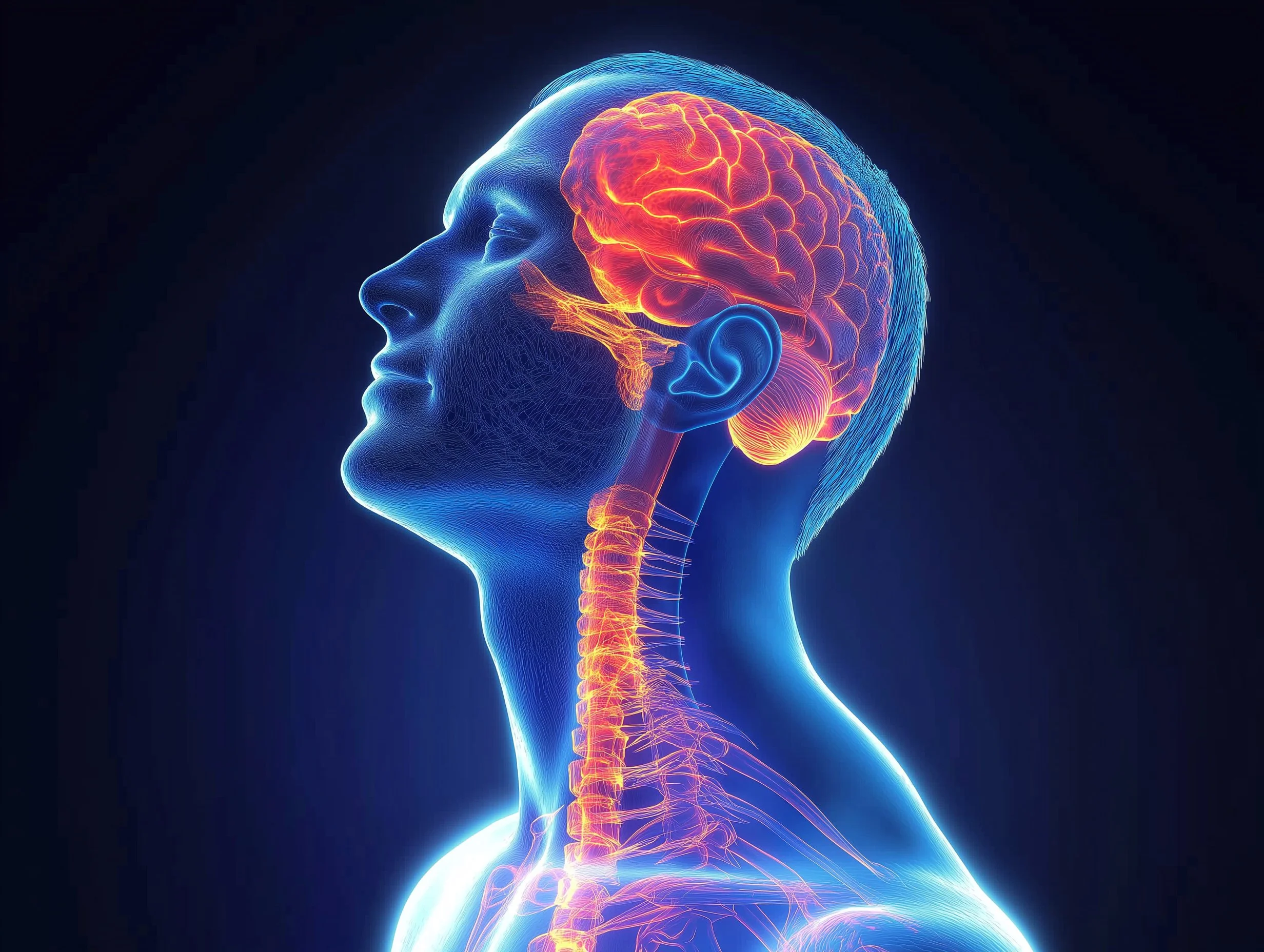
Medical Botox
Targeted Botox-Based Treatment for Neurological & Functional Conditions
Botox is an evidence-based treatment used in neurology and physical medicine to reduce abnormal muscle activity, improve function, and decrease pain or discomfort in select neurological and neuromuscular conditions.
Bare Face RVA provides physician-led medical Botox treatment with a focused scope, allowing for continuity, precision, and a boutique clinical experience.
Conditions Treatment with Botox
Botox may be used for the treatment of certain neurological and functional conditions including:
Cervical dystonia
Spasticity
Hemifacial spasm
Blepharospasm
Hyperhidrosis (excessive sweating)
TMJ-related dysfunction (select cases)
Treatment decisions are individualized based on clinical indication, goals, and prior response to therapy.
How Medical Botox Works
Botox works by temporarily reducing overactive neuromuscular signaling. In neurological conditions, this can:
Decrease abnormal muscle contractions
Reduce pain or discomfort
Improve functional ability
Assist with positioning or mobility-based goals
Enhance activities of daily living (ADLs)
Effects are temporary and typically last 10–12 weeks, requiring repeat treatment for ongoing benefit.
Who May Benefit
Medical Botox may be appropriate for patients who:
Have a diagnosed neurological or neuromuscular condition
Are experiencing muscle hyperactivity, dystonia, or spasm
Have functional limitations related to muscle activity
Have inadequate response to oral medications or physical therapy
Require targeted treatment for localized symptoms
Evaluation includes clinical assessment of functional goals and response history.
What to Except
Consultation & Assessment
A focused clinical evaluation is performed to determine candidacy and establish treatment goals.
Treatment Visit
Botox injection patterns and dosing are tailored based on anatomy and clinical indication.
Follow-Up
Effects typically develop over 1–2 weeks and last several months. Repeat treatment schedules are established based on condition and functional response.
Function-Oriented Treatment Planning
For many patients, goals may include improvements in:
Neck comfort and positioning
Mobility or limb positioning
Pain reduction
Occupational or daily function
Tolerance for therapy or seating devices (spasticity)
Facial comfort and control (dystonias)
Treatment plans are individualized and may be coordinated with outside neurologists, PM&R, pain specialists, or therapists when appropriate.
Insurance & Authorization
Botox for neurological conditions is often covered by insurance when criteria are met. Insurers may require:
Diagnostic confirmation
Documentation of symptoms and functional impact
Trial of medications or therapy
Prior authorization approval
Bare Face RVA assists with the prior authorization process once a treatment plan is established.
Coordination with Other Clinicians
If you are already followed by a neurologist, PM&R physician, ophthalmologist, or pain specialist, treatment may be coordinated to support continuity and appropriate documentation.
Referral notes or prior treatment history can be requested when needed.
Frequently Asked Questions
Is this the same as cosmetic Botox?
No. Medical Botox is used to treat neurological and functional conditions, not aesthetic concerns. The dosing, injection patterns, and treatment goals are different.
Does the treatment hurt?
Most patients describe temporary, mild discomfort. Treatments are well-tolerated.
How soon will I notice improvement?
Effects typically begin within 7–14 days and peak around 4–6 weeks depending on the condition.
How often is treatment performed?
Every 12 weeks is standard for neurological indications.
Do I need a diagnosis before scheduling?
A consultation can determine whether treatment is appropriate and whether additional documentation is required for insurance.
A Physician-Led Model
All medical Botox treatments at Bare Face RVA are performed by Sherita Chapman, MD, a double board-certified neurologist with specialized experience in Botox-based treatment for neurological conditions.
Next Steps
If you believe medical Botox may be appropriate for you, the next step is a consultation.
If you have questions about insurance coverage or eligibility